Building Community: Reflections from the PRII Internal Communications Conference 2026
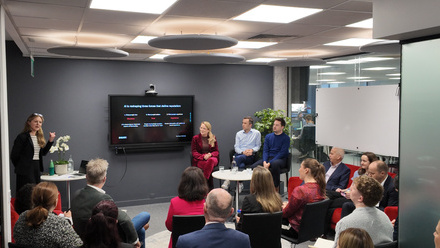
The PRII Internal Communications Conference 2026 brought together internal communications professionals for a day of fresh thinking, practical ideas and honest conversations about how organisations can build stronger communities from the inside out.
Held in the wonderful surroundings of Airfield Estate in Dundrum, the conference explored the theme of Building Community, examining how internal communicators can strengthen connection, trust, belonging and engagement in an increasingly complex working environment.
The day featured contributions from a range of experienced communications and behavioural science professionals. Alison Mills acted as MC, with opening remarks from PRII CEO Laura Wall and Airfield Estate CEO Claire Mac Evilly. Emily Maher delivered the first talk on communicating through complexity and the role of storytelling in creating belonging. Oliver Wall explored community at scale and the importance of internal stakeholders, while behavioural psychologist Pádraig Walsh examined how behavioural science can help communications influence action and sustain change. Neil O'Gorman shared insights from RTÉ's experience of internal communications through crisis and change. The day concluded with a candid panel discussion featuring Joanne Carroll, Paul Cawley, Sarah Horgan and Rob Hitchcock, hosted by May Flanagan.
10 key takeaways
- Successful Internal communications is a strategic voice. Communicators should be involved early in organisational decision-making and positioned close to where important decisions are made.
- Trust is built through transparency. Open communication, accessible leaders and genuine opportunities for employees to ask questions and share their views are central to building trust.
- Communication should drive action, not simply share information. Understanding the gap between what people think and what they actually do can help communicators design more effective interventions.
- Design for how people really behave. Employees interpret messages through their own experiences, identities, relationships and subcultures. Understanding those influences can make communication more effective.
- Context matters. There is no one-size-fits-all approach to communication. The right message, channel and approach depend on the audience, situation and organisational context.
- Peers matter. Informal networks, ambassadors and influential people within teams can often shape behaviour and interpretation more powerfully than official communication channels.
- Make communication easy and relevant. Removing complexity and ambiguity, choosing appropriate channels and applying principles such as timely, accessible, easily understood can improve engagement.
- Storytelling creates connection. Shared, relatable stories can help bring organisational strategy to life, capture attention and create a stronger sense of belonging.
- AI should create more space for human connection. As AI takes on more routine tasks, communicators have an opportunity to spend more time building genuine relationships and understanding their audiences.
- Evidence matters more than enthusiasm. Effective internal communications requires diagnosis, observation and evidence to understand what will work. The right approach should match the audience, as Paul Cowley said, 'Don't bring enthusiasm to a gun fight'.
Continuing the conversation
The conference highlighted the increasingly important role of internal communications in helping organisations navigate change, build trust and create communities where people feel informed, involved and connected.
From storytelling and behavioural science to leadership communication, AI and the realities of hybrid working, the day provided plenty of practical ideas for communicators to take back to their organisations.
Most importantly, it created a space for internal communications professionals to learn from one another, challenge existing thinking and share experiences openly. We were delighted to hold this event in the wonderful surroundings of the Airfield Estate and look forward to continuing the conversation about how internal communications can help build stronger, more connected organisations.